
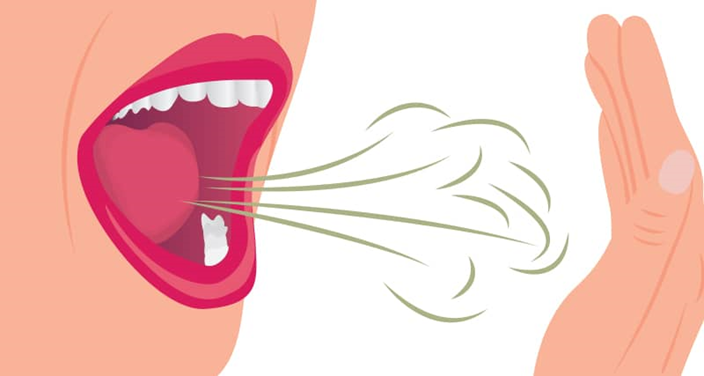
Bad breath, also known as halitosis, can be embarrassing and may indicate underlying health issues. While occasional bad breath is normal, persistent foul odor needs attention. Let’s explore the common causes and effective treatments for bad breath.
Causes of Bad Breath
1. Poor Oral Hygiene
Not brushing and flossing regularly allows food particles to decay in the mouth, leading to bacterial growth and bad odor. Plaque buildup also contributes to halitosis.
2. Dry Mouth (Xerostomia)
Saliva helps wash away bacteria and food debris. Reduced saliva production, often caused by dehydration, mouth breathing, or certain medications, can lead to bad breath.
3. Food and Beverages
Strong-smelling foods like garlic, onions, and spicy dishes can cause temporary bad breath. Coffee and alcohol also contribute to odor by drying out the mouth.
4. Gum Disease (Periodontitis)
Gum infections cause deep pockets around the teeth, trapping bacteria and food particles, resulting in a persistent foul smell.
5. Smoking and Tobacco Products
Tobacco not only leaves a lingering smell but also reduces saliva flow, promoting bacterial growth and increasing the risk of gum disease.
6. Digestive Issues
Gastroesophageal reflux disease (GERD) or other stomach problems can cause acidic or foul-smelling breath due to food regurgitation.
7. Sinus Infections & Respiratory Conditions
Postnasal drip from sinus infections, colds, or allergies can lead to bad breath as mucus accumulates at the back of the throat.
8. Underlying Health Conditions
Certain diseases like diabetes, kidney failure, liver disease, and tonsil stones can contribute to chronic bad breath.
Effective Treatments for Bad Breath
1. Maintain Good Oral Hygiene 🦷
✅ Brush twice daily using fluoride toothpaste.
✅ Floss daily to remove trapped food particles between teeth.
✅ Clean your tongue with a tongue scraper to remove bacteria buildup.
2. Stay Hydrated 💧
✅ Drink plenty of water to keep your mouth moist.
✅ Chew sugar-free gum or eat crunchy fruits (like apples) to stimulate saliva production.
3. Use Mouthwash & Home Remedies
✅ Rinse with antibacterial mouthwash to kill odor-causing bacteria.
✅ Gargle with salt water or baking soda solution to neutralize bad breath.
4. Watch Your Diet
✅ Avoid strong-smelling foods like garlic and onions.
✅ Eat fiber-rich foods to keep your mouth fresh.
✅ Include yogurt or probiotics to balance oral bacteria.
5. Quit Smoking & Alcohol 🚭
✅ Reduce or quit smoking to prevent dry mouth and bacterial growth.
✅ Limit alcohol consumption as it dehydrates the mouth.
6. Treat Underlying Medical Conditions
✅ If bad breath persists despite good oral care, consult a dentist or doctor to check for gum disease, acid reflux, or other health issues.
7. Regular Dental Check-Ups
✅ Visit your dentist every 6 months for professional cleaning and check-ups.
When to See a Doctor or Dentist?
If bad breath persists despite proper oral care, it may indicate an underlying condition that needs medical attention. Seek help if you experience:
🔹 Bleeding or swollen gums
🔹 Persistent dry mouth
🔹 Chronic sinus issues
🔹 Digestive problems like acid reflux
Conclusion
Bad breath can often be prevented and treated with good oral hygiene, a healthy diet, and regular dental visits. If the problem persists, consult a dentist or healthcare provider to rule out any serious medical conditions.
Fresh breath = A confident you!