
When we think about oral health, we often associate it with just having clean teeth and fresh breath. However, oral health is much more than that—it is a window to your overall well-being. The condition of your mouth can provide early warning signs of systemic diseases like diabetes, heart disease, and even osteoporosis. Let’s explore how your oral health and general health are closely connected.
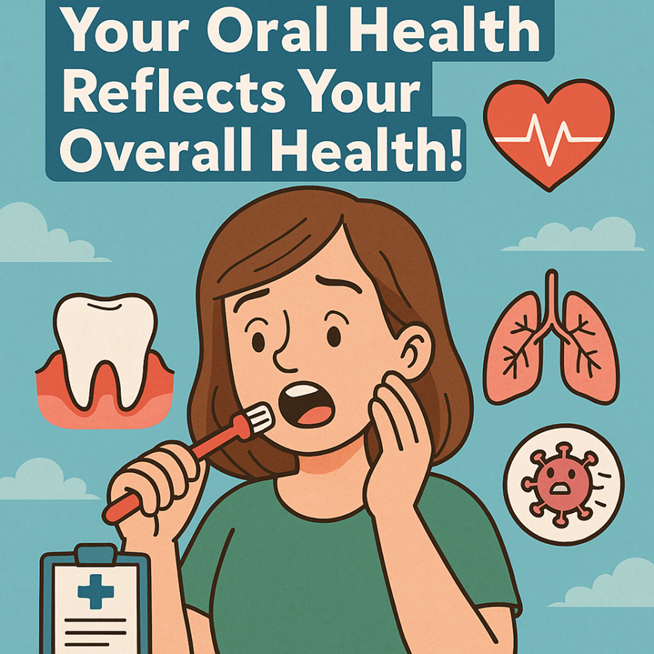
The Mouth-Body Connection
Your mouth is filled with bacteria, most of which are harmless. However, without proper oral hygiene, these bacteria can multiply and lead to infections, such as gum disease (periodontitis) and tooth decay. When bacteria enter the bloodstream, they can trigger inflammation and worsen existing health conditions.
Studies have shown that poor oral health can contribute to serious medical problems. Here’s how:
1. Gum Disease and Heart Disease
Did you know that gum disease and heart disease are closely linked? Inflammation in the gums can increase the risk of atherosclerosis, a condition where arteries become clogged with plaque. This can lead to high blood pressure, heart attacks, or strokes. Research suggests that people with periodontal disease are more likely to suffer from cardiovascular issues.
2. Diabetes and Oral Health
Diabetes and gum disease share a two-way relationship. High blood sugar levels make the gums more prone to infection, while severe gum disease can make it harder to control blood sugar levels. This creates a vicious cycle, making diabetes management more challenging.
3. Respiratory Infections
Harmful oral bacteria can be inhaled into the lungs, increasing the risk of pneumonia and chronic obstructive pulmonary disease (COPD). Poor oral hygiene can also worsen asthma and other respiratory issues.
4. Oral Health and Pregnancy
Pregnant women with gum disease are at a higher risk of premature birth and low birth weight. The bacteria causing inflammation in the gums can enter the bloodstream and trigger complications during pregnancy. Maintaining good oral hygiene is crucial for both the mother and the baby.
5. Osteoporosis and Tooth Loss
Osteoporosis, a condition that weakens bones, can also affect the jawbone, leading to tooth loss. Women, especially after menopause, should be mindful of their calcium and vitamin D intake to protect both their bones and teeth.
Tips for Maintaining Good Oral Health
To protect your oral and overall health, follow these simple but essential tips:
✔ Brush twice a day with fluoride toothpaste.
✔ Floss daily to remove plaque buildup between teeth.
✔ Visit your dentist regularly for checkups and cleanings.
✔ Eat a balanced diet rich in calcium and vitamins.
✔ Avoid smoking and excessive alcohol consumption, as they increase the risk of oral diseases.
✔ Stay hydrated to maintain saliva flow, which helps wash away bacteria.
Final Thoughts
Your oral health is more than just a beautiful smile—it plays a vital role in your overall health and well-being. By taking care of your teeth and gums, you are also protecting your heart, lungs, and immune system. So, the next time you pick up your toothbrush, remember—you’re not just cleaning your teeth; you’re safeguarding your entire body!